You want a thriving garden with lush vegetables and vibrant flowers, but you are tired of spending a fortune on chemical fertilizers. You know that composting is the answer—turning your kitchen waste into “black gold.” But every time you stand over your bin with a handful of scraps, you hesitate.
Is this orange peel going to make the soil too acidic? Will these leftovers attract a swarm of rats or make the backyard smell like a landfill? There is nothing more discouraging than tending to a pile for months, only to end up with a slimy, rotting mess that refuses to break down. It feels like a science experiment gone wrong, and it’s enough to make you give up on the idea entirely.
The good news? Composting isn’t magic; it’s a simple recipe. The difference between a foul-smelling heap and sweet-smelling, nutrient-dense soil comes down to one thing: selecting the best materials for composting. In this guide, the team at HASS Thailand will walk you through exactly what to throw in, what to keep out, and the perfect ratios to guarantee success.
Table of Contents
- The Golden Rule: Greens vs. Browns
- The Best “Green” Materials (Nitrogen Sources)
- The Best “Brown” Materials (Carbon Sources)
- The Forbidden List: What NEVER to Compost
- Mastering the Ratio for Speed
- 3 Pro Tips to Accelerate Decomposition
- Conclusion
- FAQs
The Golden Rule: Greens vs. Browns
What are the best materials for composting? The best composting ecosystem relies on a balance of two categories: “Greens” (Nitrogen-rich materials like vegetable scraps, coffee grounds, and grass clippings) and “Browns” (Carbon-rich materials like dry leaves, cardboard, and straw). For the fastest results, aim for a ratio of roughly 1 part Green to 3 parts Brown by volume.
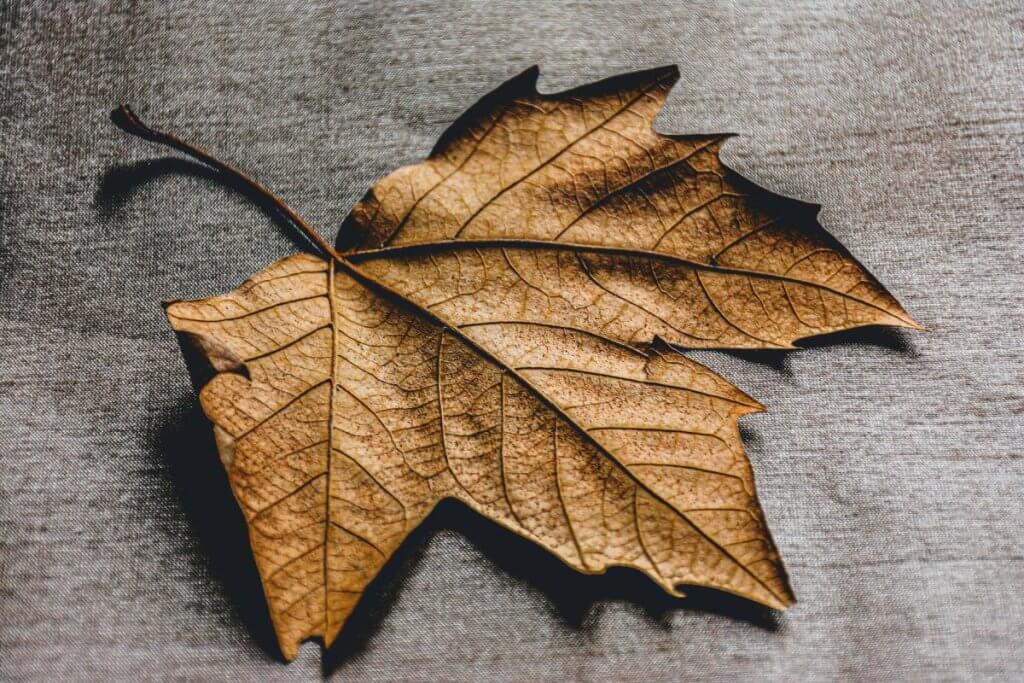
Think of Greens as the fuel—they provide the moisture and nutrients that feed the microorganisms. Think of Browns as the body—they provide the structure, aeration, and carbon that the microbes need for energy.
If you have too many Greens? You get a smelly, slimy pile. If you have too many Browns? The pile sits there for years doing nothing.
The Best “Green” Materials (Nitrogen Sources)
These items are usually wet, fresh, and decompose rapidly. They heat your pile.
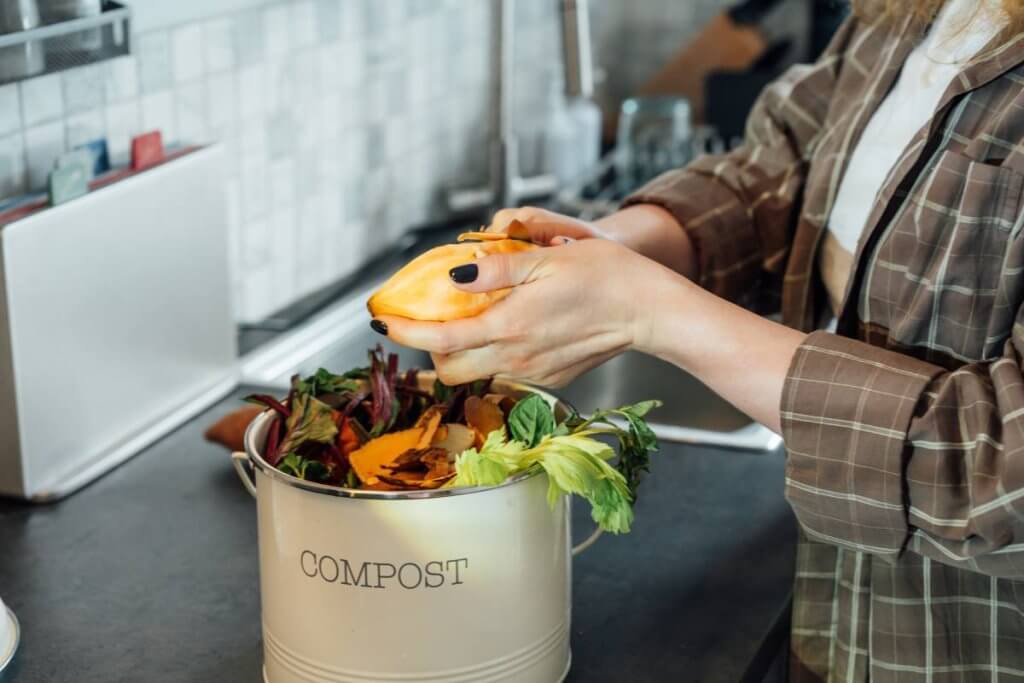
1. Fruit and Vegetable Scraps
This is the bread and butter of your compost bin. Apple cores, carrot peels, lettuce ends, and cucumber skins are perfect.
- Pro Tip: Chop them up into small pieces. A whole watermelon rind takes months to break down; chopped rind takes weeks.
2. Coffee Grounds and Filters
Contrary to popular belief, used coffee grounds are not acidic; they are pH-neutral once brewed. They are a nitrogen powerhouse, and earthworms absolutely love them.
- Bonus: You can toss the paper filter in, too!
3. Grass Clippings
Fresh grass clippings are incredibly high in nitrogen. However, they can mat down and create an anaerobic (airless) smelly layer if you aren’t careful.
- How to use: Sprinkle them in thin layers or mix them thoroughly with dry leaves to prevent clumping.
4. Tea Bags and Loose Leaf Tea
Tea leaves are nutrient-dense.
- Warning: Check your tea bags. If they are made of synthetic mesh (plastic), cut them open and compost only the leaves. Paper bags are fine to toss in whole.
5. Manure (from Herbivores Only)
Chicken, cow, horse, or rabbit manure is excellent for heating a compost pile.
- Avoid: Dog or cat waste. These contain pathogens and parasites that backyard compost piles usually don’t get hot enough to kill.
The Best “Brown” Materials (Carbon Sources)
These items are dry, bulky, and slow to rot. They are essential for creating air pockets so your compost can “breathe.”
1. Dry Leaves
Nature’s perfect carbon source. If you have deciduous trees, harvest these in the fall.
- Pro Tip: Run your lawnmower over the leaves to shred them before adding to the pile. Whole leaves can mat together and repel water.
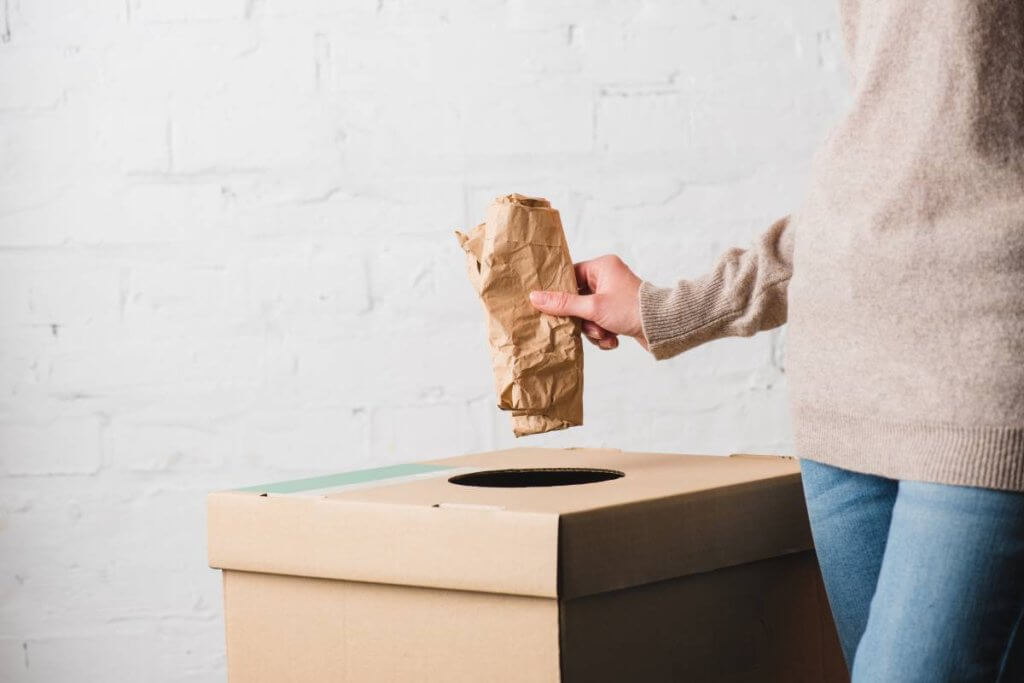
2. Cardboard and Paper
Amazon boxes, toilet paper rolls, and egg cartons are fantastic brown.
- Preparation: Remove all plastic tape and shipping labels. Shred the cardboard or tear it into small strips to speed up the process.
- Avoid: Glossy magazines or metallic wrapping paper, as the inks can contain heavy metals.
3. Straw and Hay
Straw (the dry stalks) is excellent for structure because its hollow stems hold air.
- Caution: If you use hay, ensure it wasn’t treated with persistent herbicides (like Grazon), which can survive the composting process and kill your garden plants later.
4. Sawdust and Wood Shavings
High carbon content means these break down slowly, but they add great structure.
- Rule: Only use untreated wood. Never compost pressure-treated lumber, painted wood, or varnished sawdust.
5. Dried Grass and Plant Trimmings
If you let your grass clippings dry out in the sun until they turn brown, they switch from being a “Green” source to a “Brown” source. The same applies to dead annual flowers at the end of the season.
The Forbidden List: What NEVER to Compost
To keep your pile healthy and pest-free, strictly avoid these items:
- Meat, Fish, and Bones: These rot, smell terrible, and attract rats, raccoons, and flies.
- Dairy Products: Cheese, milk, and yogurt cause similar pest and odor issues.
- Oils and Greases: Fats coat the organic matter, making it water-resistant and impossible for microbes to break down.
- Diseased Plants: If your tomato plants have blight, do not compost them. The disease can survive in the soil and infect your garden next year.
- Weeds that have Gone to Seed: Unless your pile gets incredibly hot (140°F+), weed seeds will survive, and you will just be spreading weeds back into your garden.
Mastering the Ratio for Speed
You may have heard of the C: N ratio (Carbon to Nitrogen). While the scientific ideal is 30:1, you don’t need a calculator in the garden.
Follow the “1 Bucket to 3 Buckets” Rule.
For every 1 bucket of Greens (kitchen scraps) you dump in, add 3 buckets of Browns (dry leaves/paper).
Why so much brown? Kitchen scraps are dense and wet. You need a lot of fluffy, dry material to absorb that moisture and keep the oxygen flowing. If your pile smells bad, you likely have too many greens. Add more browns immediately and turn the pile.
3 Pro Tips to Accelerate Decomposition
If you want compost in 3 months rather than 12, follow these accelerators:
- Surface Area Matters: Microbes eat from the outside in. A whole apple takes months to rot; a pulverized apple takes days. Chop, shred, and mow your materials before adding them.
- Turn It Up: Oxygen is fuel. Use a pitchfork or a compost tumbler to mix the pile once a week. This brings fresh air to the microbes and prevents the center from going anaerobic.
- Moisture Management: Your pile should feel like a wrung-out sponge. If it’s too dry, the microbes go dormant (add water). If it’s too wet, they drown (add cardboard/leaves).
Conclusion
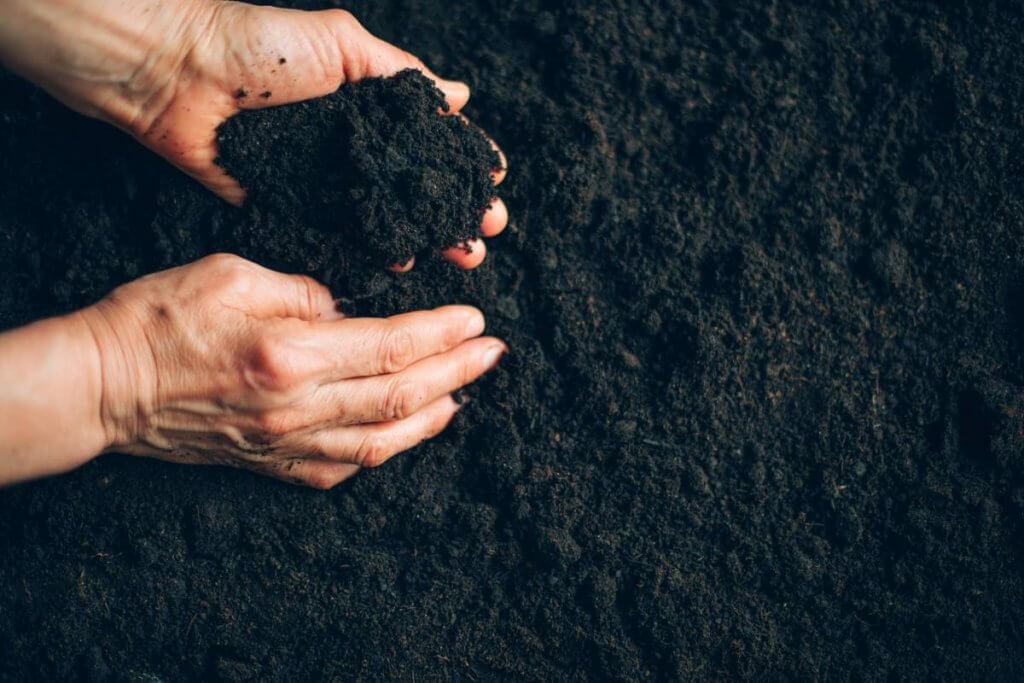
Creating your own compost is one of the most rewarding things you can do for your garden. By simply choosing the best materials for composting—balancing your nitrogen-rich greens with carbon-heavy browns—you turn waste into a resource.
You are no longer just throwing away garbage; you are manufacturing the building blocks of life for your future plants.
Once your compost has matured into rich, dark humus, it’s ideal for topdressing lawns — a simple method many gardeners use to revive thinning turf and improve soil fertility. For an example of how compost can transform a struggling lawn, see this detailed guide on restoring and caring for a buffalo lawn.
My final question to you is: Look at your kitchen counter right now. What is one item sitting there that you usually throw in the trash, but now belongs in the garden?
FAQs
Q: Can I compost citrus peels like oranges and lemons? A: Yes, in moderation. While citrus peels are acidic and contain d-limonene (an antiseptic), a standard compost pile can handle them easily. If you are vermicomposting (worm farming), however, go easy on citrus as worms find it irritating.
Q: Can I put eggshells in the compost? A: Absolutely. Eggshells are a fantastic source of calcium. However, they do not break down easily. For the best results, bake them dry and crush them into a fine powder before adding them to the bin.
Q: Why is my compost pile cold? A: A cold pile usually means the bacterial activity has slowed down. This happens if the pile is too dry (add water), lacks nitrogen (add greens/grass clippings), or is too small (a pile generally needs to be at least 3×3 feet to retain heat).
Q: Is it okay to compost a newspaper? A: Yes. Most modern newspapers use soy-based inks, which are safe for composting. Avoid the glossy inserts or highly colored advertising pages, as those may contain different clay coatings and inks.